
Introduction
Artificial Intelligence is advancing faster than almost anyone predicted.
From ChatGPT and Microsoft Copilot to AI agents capable of writing reports, analysing data and automating complex tasks, many people are asking the same question:
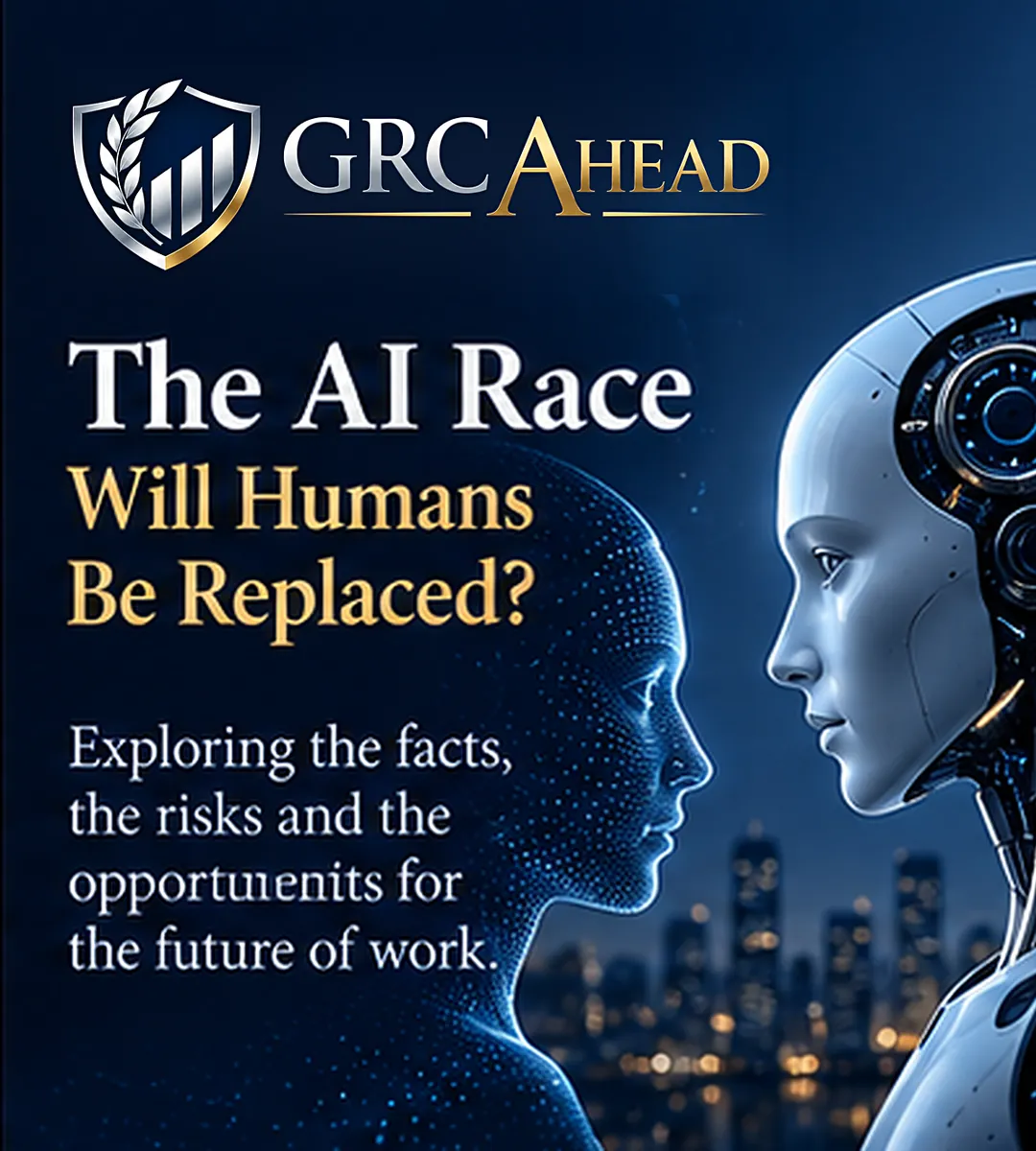
Will humans eventually be replaced by AI?
The answer is more complicated than a simple yes or no.While AI will undoubtedly transform the workplace, history suggests that technology rarely eliminates work altogether. Instead, it changes the nature of work and creates new opportunities alongside new challenges.
The Global AI Race
Governments and technology companies are investing billions into AI development.
The United States, China, the European Union and major technology firms are competing to build increasingly capable AI systems.
This race is driven by enormous potential benefits:
- Increased productivity
- Scientific breakthroughs
- Better healthcare outcomes
- Improved services
- Faster innovation
However, the speed of development also raises important questions about governance, oversight and long-term societal impacts.
Which Jobs Are Most At Risk?
AI is particularly effective at tasks that are:
- Repetitive
- Rules-based
- Highly structured
- Data intensive
Examples may include:
- Administrative work
- Data entry
- Basic customer service
- Simple content creation
- Routine reporting
Many of these activities are already being automated or augmented by AI tools.
Which Jobs Are Likely To Remain Human-Led?
Some capabilities remain uniquely human:
Strategic Decision Making
Leaders must balance competing priorities, ethics, risk and organisational goals.
Creativity
AI can generate ideas, but breakthrough innovation often comes from human insight and experience.
Building Relationships
Trust, negotiation and empathy remain critical in business and society.
Governance and Oversight
As AI becomes more powerful, organisations need people to govern AI responsibly, assess risks and ensure accountability.
Ironically, one of the careers likely to grow because of AI is AI Governance itself.
The Real Question Isn't Replacement
A better question may be:
"Which humans will be replaced by humans using AI?"
Just as spreadsheets did not replace accountants and email did not replace office workers, AI is more likely to reshape how people work rather than eliminate all jobs entirely.
Those who learn to work alongside AI may gain significant advantages over those who ignore it.
Why AI Governance Matters
The faster AI develops, the more important governance becomes.
Organisations need to understand:
- Who is accountable for AI systems?
- What risks exist?
- How should AI be monitored?
- What controls are required?
- How can organisations comply with emerging regulations?
Without governance, the benefits of AI can quickly be overshadowed by risks.
Final Thoughts
AI is unlikely to replace humanity. However, it will change industries, careers and ways of working.
The organisations that succeed will be those that embrace innovation while implementing effective governance, risk management and oversight.
The future may not be humans versus AI.
The future may be humans and AI working together.
Join the Discussion
What do you think?
Will AI create more opportunities than it destroys, or are we underestimating the impact of automation?
Leave your thoughts in the comments below.
Do you believe AI will eventually replace most human jobs? Why or why not?
More insights

23 October 2026 · 6 min read
Is Your Business Using AI Without Proper Governance? 5 Risks US Companies Can't Ignore
Is your business using AI without proper oversight? Discover five AI governance risks facing US companies and how to address them.
Read article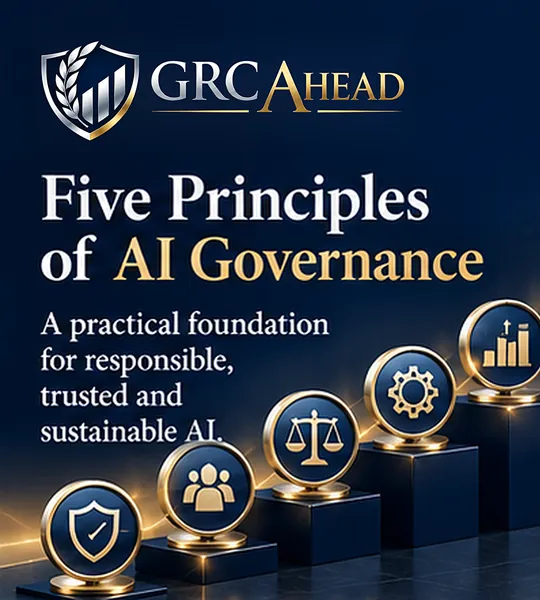
8 October 2026 · 2 min read
What Are the Five Principles of AI Governance?
The five principles of AI Governance help organisations manage AI risk, support responsible AI and build trust in Artificial Intelligence systems. Learn how accountability, transparency, fairness, security and human oversight form the foundation of effective AI Governance Frameworks, AI compliance programmes and AI risk management practices as organisations prepare for evolving regulations and standards such as ISO 42001.
Read article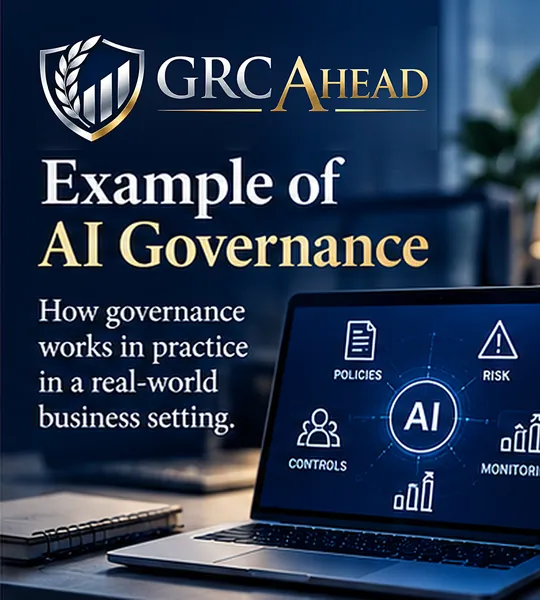
8 October 2026 · 3 min read
Can You Give Me an Example of AI Governance?
Can You Give Me an Example of AI Governance? Explore real-world AI governance examples, AI risk assessments, responsible AI controls, AI compliance frameworks and practical governance programmes used by organisations.
Read article